Cherry
Patinas to a deep amber with age.
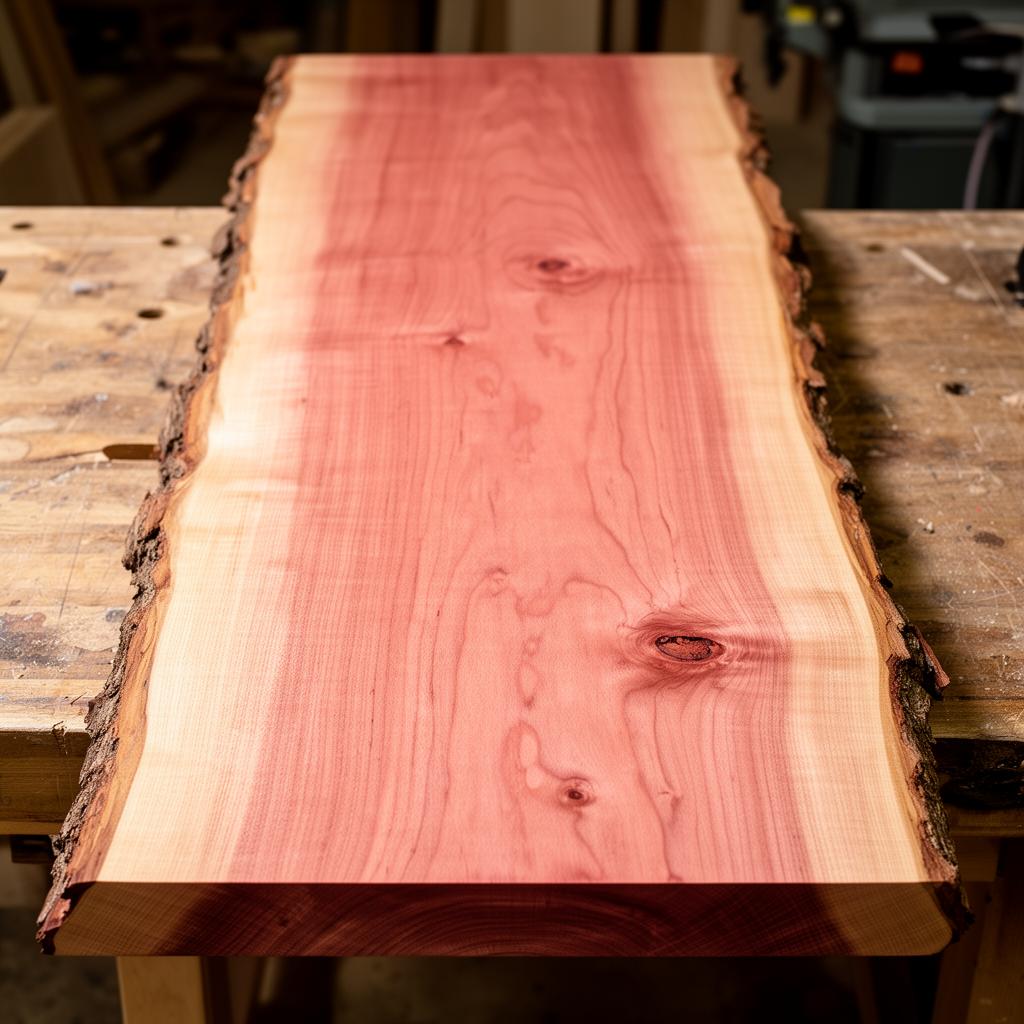
American black cherry begins as a soft pinkish blonde and matures over months into a glowing reddish-amber. It is the heritage hardwood of Shaker and Federal furniture, prized for its silky finish.
Prunus serotina · Eastern U.S.
Janka Hardness
950 lbf
Cost Tier
$$$
Workability
Excellent
Stain Take
Tricky
Stability (1–5)
4
Specific Gravity
0.50
Color
Pale pink-blonde aging to deep reddish amber
Grain
Fine, closed, straight with occasional curl or pin knots
About Cherry
American black cherry (Prunus serotina) is one of the most personality-rich woods in North American cabinetry. Freshly milled cherry is a pale pink-brown that looks almost ordinary; within 6–12 months of UV exposure it transforms into a deep reddish-amber that designers call its 'patina.' Many cherry kitchens are intentionally photographed before installation because the wood looks meaningfully different by year two.
Cherry is moderately hard (Janka 950 lbf) and exceptionally easy to machine. It cuts cleanly, sands without fuzz, and finishes to a glassy luster with nothing more than oil and wax. It is the wood the Shakers used for built-ins and the Federal cabinetmakers used for their finest casework.
Modern uses lean traditional — raised-panel doors, beaded inset, and library casework — but minimalist slab cherry vanities have made a quiet comeback. Pair with brushed nickel or aged brass; avoid cool grays, which fight cherry's warm patina.
Close-up of cherry grain — fine, closed, straight with occasional curl or pin knots.
The Honest Tradeoffs
What we love
- Develops a unique amber patina over time
- Silky-smooth finish with minimal sanding
- Excellent dimensional stability
- Heritage American species
What to watch for
- Color shift can surprise clients (sample with patina)
- Blotches under stains without conditioner
- Softer than oak or maple — gentler use
Common Uses
- •Raised panel doors
- •Library and built-ins
- •Beaded inset cabinets
- •Heirloom furniture
Best Finishes
- •Hand-rubbed oil/wax
- •Clear satin lacquer
- •Light natural stain (no pigment)
Door Styles That Suit It
- •Raised panel
- •Beaded inset
- •Shaker
- •Slab
Cherry Comparisons
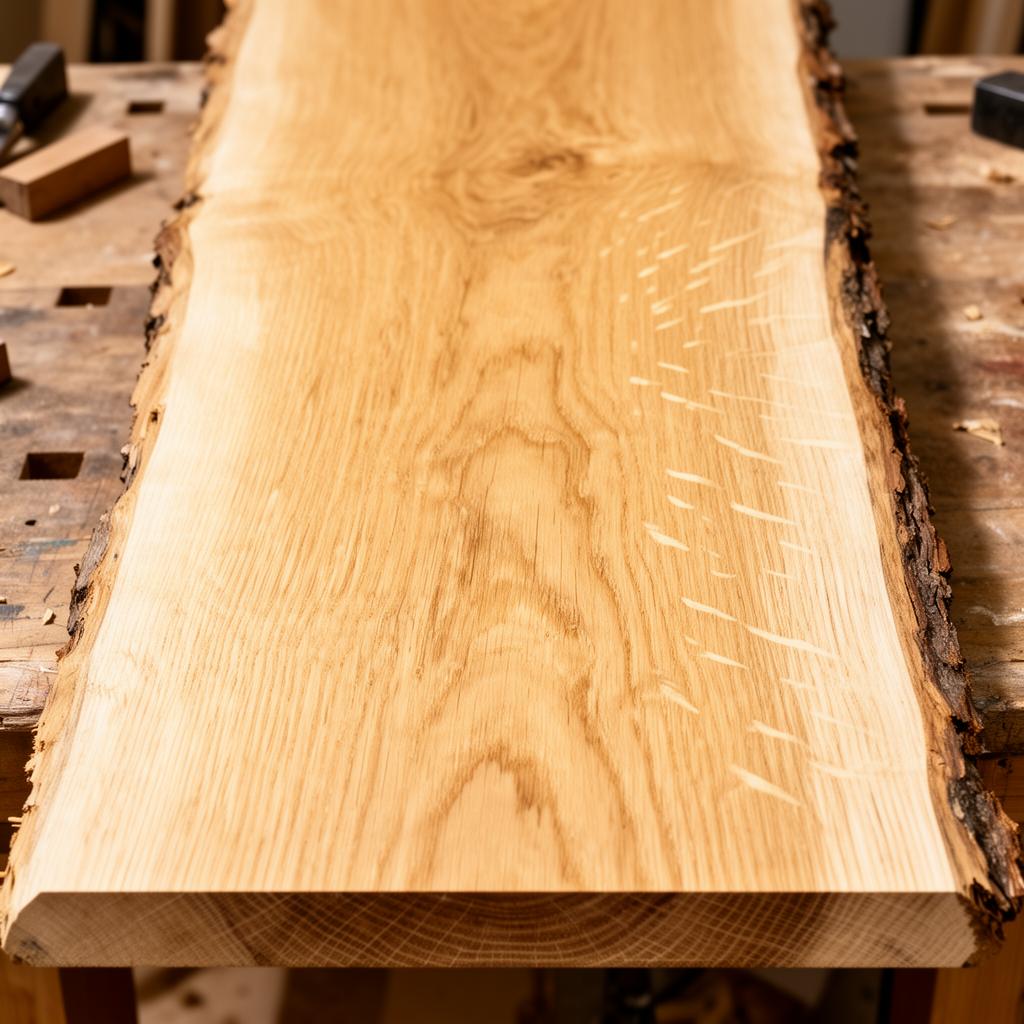
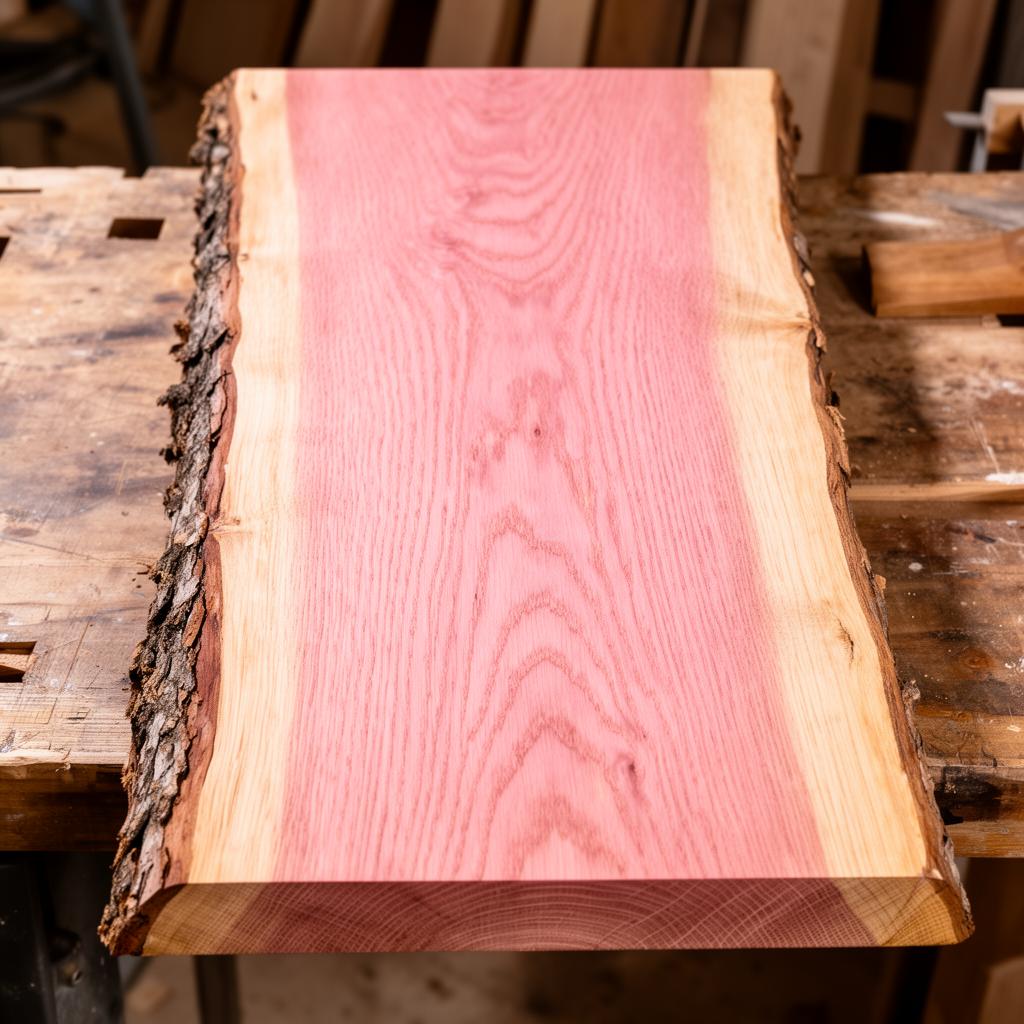
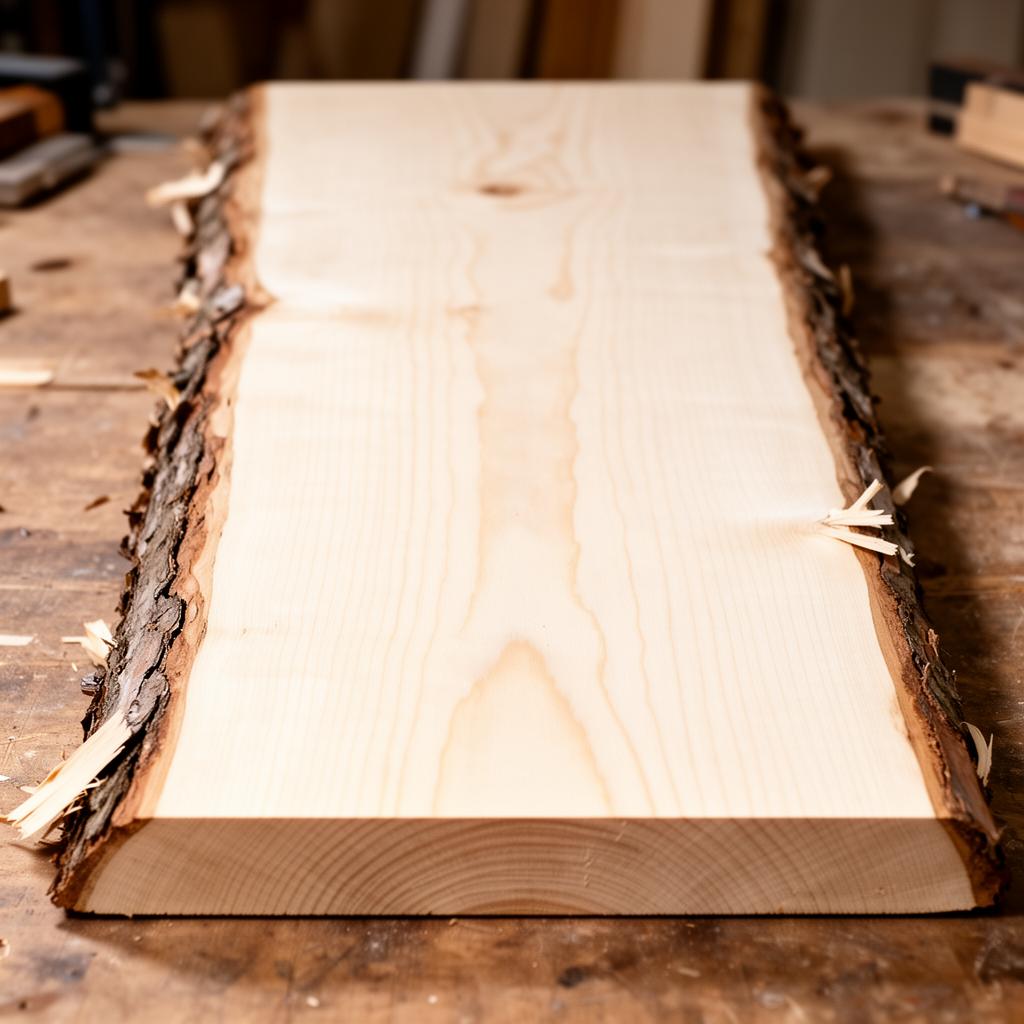
Choosing between species or cuts? These head-to-head guides break down grain, cost, durability, and best use.
Start a project
Let’s measure your room.
Tell us about the space and we’ll book a free in-home consultation. We bring the samples.
By appointment only in Brooklyn, Manhattan, Queens and Staten Island.